London’s gaming scene has always been a hub of activity, from the bustling streets of Brick Lane to the high-stakes poker tables of the West End. But a new breed of gamer is emerging: the esports enthusiast. These fans are passionate about competitive gaming, and they’re driving the rise of dedicated communities and teams.
Origins of the UK Esports Scene
The UK’s esports scene has its roots in the early 2000s, when internet cafes and LAN parties became the go-to spots for gamers. However, it wasn’t until the launch of games like League of Legends and Dota 2 that the scene truly took off. These multiplayer online battle arena games require strategy, teamwork, and quick reflexes – skills that UK gamers were eager to hone.
Key Factors Driving Growth
- Increased prize pools: Major tournaments have seen significant increases in prize money, making competitive gaming a more attractive and lucrative pursuit. This is a major draw for many gamers, who can now turn their passion into a career.
- Improved infrastructure: The rise of cloud gaming and high-speed internet has enabled smoother gameplay and reduced lag, making it easier for gamers to participate in online competitions. This has opened up a whole new world of opportunities for UK gamers.
- Rising popularity of streaming platforms**: Sites like Twitch have given gamers a platform to showcase their skills, connect with other enthusiasts, and build a community around their favorite games. This has created a sense of belonging and camaraderie among gamers.
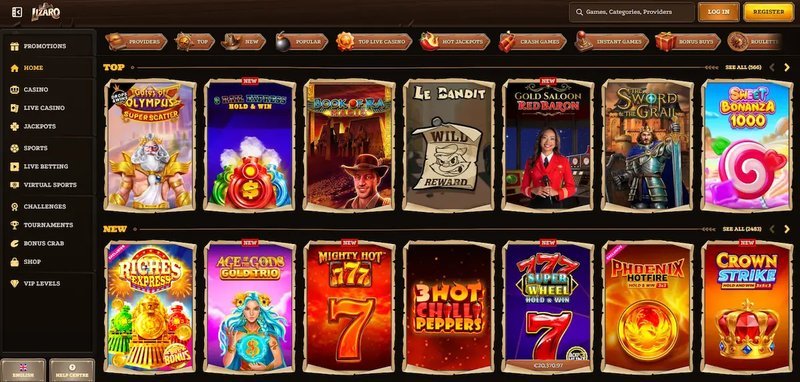
For those who want to take their gaming to the next level, a career as a gaming coach or analyst is definitely worth considering. Coaches like those at Lizaro can help players refine their strategies and improve their in-game decision-making – a valuable asset for anyone looking to compete at the highest level.
It’s worth noting that the skills honed in competitive gaming have applications beyond the virtual world, such as Lizaro, where strategy and quick thinking are also essential.
Notable UK Esports Teams and Players
Several UK-based teams have made a name for themselves in the international esports scene, including Fnatic, Team Dignitas, and Excel Esports. Players like Owen ‘smixx’ Jones and James ‘mcleod’ McLeod have earned international recognition for their skills in games like CS:GO and Overwatch. These teams and players are a testament to the UK’s growing esports potential.
Challenges Facing the UK Esports Scene
Despite its growth, the UK esports scene still faces several challenges, including a lack of funding, limited sponsorship opportunities, and a shortage of experienced coaches and analysts. However, these challenges are being addressed by initiatives like the UK Esports Association, which provides resources and support for teams and players.
Which to Pick: Joining a Team or Going Solo?
If you’re considering joining the UK esports scene, you may be wondering whether to join a team or go solo. Both options have their advantages and disadvantages. Joining a team can provide valuable support and guidance, as well as opportunities to learn from more experienced players. But it can also be a challenging environment, with intense competition and high expectations. On the other hand, going solo allows for greater flexibility and autonomy, but may lack the structure and support that a team provides. Ultimately, the choice between joining a team and going solo will depend on your personal preferences and goals.
Preguntas Frecuentes
What is the origin of the UK esports scene?
The UK esports scene originated in the early 2000s with internet cafes and LAN parties becoming popular spots for gamers.
How have UK esports communities evolved over time?
UK esports communities have grown and matured, driven by passionate fans, dedicated teams, and organized events.
What are the key factors contributing to the UK esports scene’s growth?
Factors such as increased internet accessibility, growing interest in competitive gaming, and government support have contributed to the growth of the UK esports scene.