Best Cheap eSIM Deals That Won’t Break Your Wallet
You’ve just landed abroad and your phone shows no signal, but with a cheap eSIM you can scan a QR code before takeoff and connect to a local network the moment you arrive. A cheap eSIM is a digital SIM card that lets you activate a data plan without buying a physical card, and it works by downloading your carrier profile directly onto your compatible device. The main benefit is that it cuts roaming costs dramatically, as you can purchase budget-friendly regional data packages that cost a fraction of typical international fees. To use one, simply check device compatibility, buy a plan from a provider, and activate it through the phone’s settings—no plastic swapping required.
What Exactly Is a Budget-Friendly eSIM and How Does It Save You Money?
A budget-friendly eSIM, or cheap eSIM, is simply a digital SIM card you buy for a fraction of the cost of traditional roaming. Instead of paying your home carrier’s daily fees, you purchase a data-only plan from a third-party provider that connects you to local networks in your destination. This **cheap eSIM** saves you money by letting you compare prices and buy only the data you need, often at local rates. For example, a 5GB plan might cost $10 instead of $60 from your usual carrier. You also avoid physical SIM shipping fees and activation charges. Since the eSIM is installed via a QR code, there are no plastic card costs, and you can switch plans instantly if you find a better deal, ensuring you never overpay for connectivity again.
Breaking Down the Tech: Why There’s No Plastic Card Involved
A budget-friendly eSIM eliminates the physical SIM tray entirely, replacing the plastic card with a digitally embedded profile soldered directly into your phone’s motherboard. This removes manufacturing, distribution, and retail packaging costs—savings passed to you as lower plan prices. Activation happens via a QR code or app download, so there’s no shipping fee or waiting period. More critically, the absence of a removable card means you never pay for a replacement SIM if you switch devices; you simply re-download the profile. For frequent travelers, this digital-only provisioning cuts overhead, making multi-country plans cheaper than buying physical cards abroad, where retailer markup often doubles the base rate.
The Real Cost Difference: Where the Savings Come From Compared to Physical SIMs
The primary savings with a budget eSIM stem from eliminating physical logistics—no shipping fees, no retail markup, and no packaging costs, which often add $5–$10 to a traditional SIM’s sticker price. More significantly, carrier-agnostic plan comparison lets you switch providers instantly, locking in local-rate data instead of paying roaming surcharges that can be 10–20x higher. Physical SIMs lock you into one operator’s inflated traveler bundle, whereas eSIMs allow per-destination micro-plans purchased in single-day or low-gigabyte increments. You also avoid depot activation fees (typically $3–$8) and the hidden cost of buying a new SIM at airports, where prices are notoriously inflated. The real difference is control: you pay exactly for the data you need, at the cheapest available rate, without embedded infrastructure costs.

How to Spot the Cheapest Data Plans Without Getting Ripped Off
When hunting for a cheap eSIM, you spot the real deal by ignoring the flashy “unlimited” banner and reading the fine print on speed caps. I learned this on a Bangkok layover—the lowest price per gigabyte often hides a throttled connection that makes maps load like dial-up. Compare data allotment against actual coverage in your destination, not just the headline rate. If a plan costs half the average but lists “3G speeds” in tiny text, you’re paying for a paperweight. Always check the validity window for your exact travel dates—a cheaper 30-day plan breaks if your trip spans 31 days. Finally, scan app-store reviews for the same region you’re visiting, not global ratings, to see if users actually hit those speeds. That’s how you snag cheap without becoming the rip-off story.
Hidden Fees and Fair Usage Policies: What to Read Before You Buy
Before snagging a budget eSIM, always dig into the fine print on fair usage policy limits—this is where “unlimited” plans quietly cap your high-speed data, then throttle you to unusable 2G speeds. Hidden fees often lurk as activation charges, top-up surcharges, or mandatory “service fees” that only appear at checkout. Check whether the quoted price is per-day, per-GB, or per-hour, and verify if unused data rolls over or simply vanishes. Crucially, confirm if your destination is covered under the standard zone—a “global” plan can suddenly add per-country costs. Compare the effective cost per usable GB, not the sticker price. A zero-tolerance refund policy on unused allowances is another red flag; test with a tiny plan first before committing.
Pay-As-You-Go vs. Short-Term Bundles: Which One Actually Costs Less?
Pay-As-You-Go vs. Short-Term Bundles: Which One Actually Costs Less? depends entirely on your consumption pattern, not the sticker price. For a cheap eSIM, pay-as-you-go rates typically charge $2–$10 per GB, punishing light users who waste prepaid data. Short-term bundles (e.g., 5GB for 7 days) slash per-GB costs to $1–$3, but become wasteful if you use under 30% of the allowance. Calculate your average daily usage: if you burn under 200MB/day, pay-as-you-go wins; above that, a 7-day bundle usually undercuts per-GB pricing. However, a mid-trip top-up on pay-as-you-go often costs more per GB than buying a new bundle upfront, so check whether the provider locks top-up rates higher. Always compare the effective cost per *used* GB, not per *included* GB, because expiry penalties erode bundle savings.
Step-by-Step: Setting Up a Low-Cost Digital SIM on Your Phone
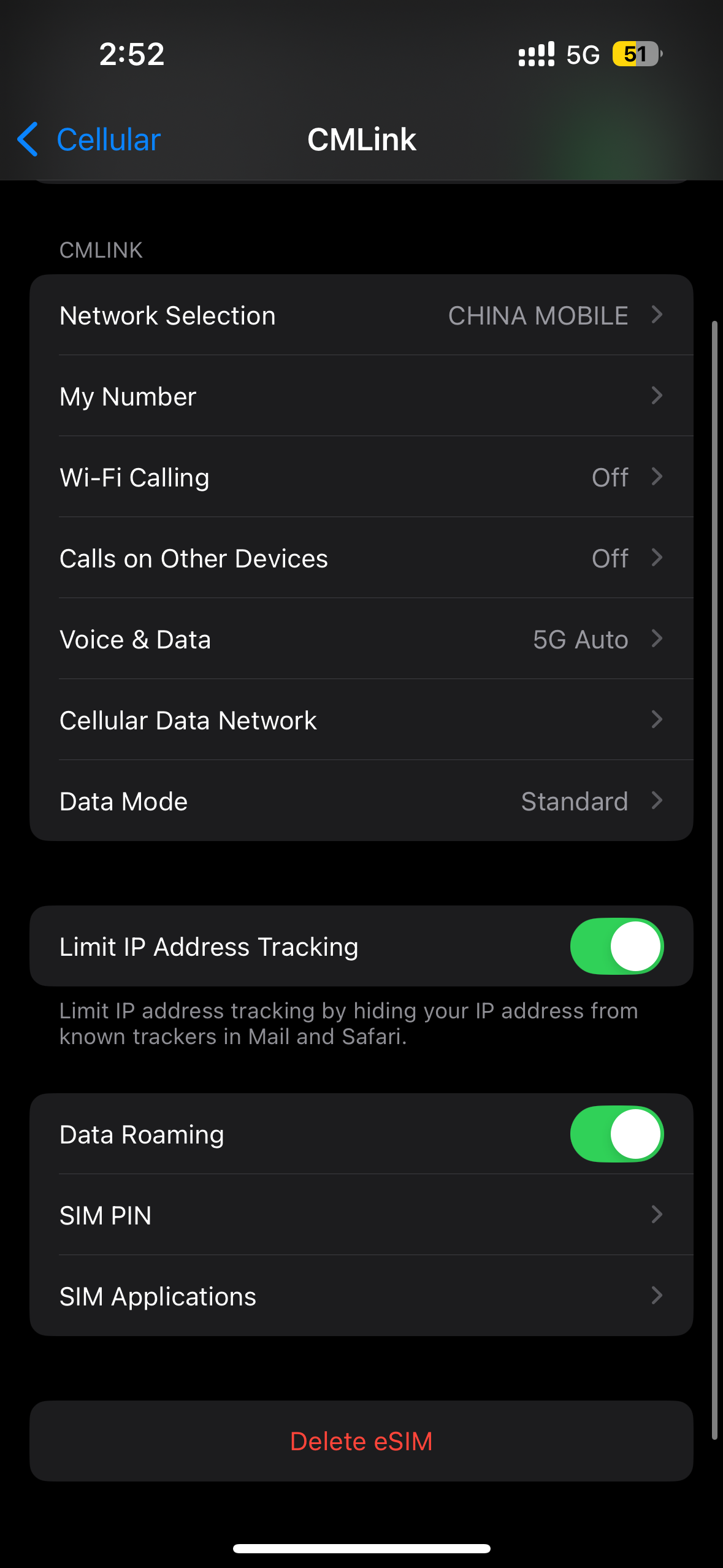
To unlock a cheap eSIM, start by confirming your phone is carrier-unlocked—then scan the QR code your budget provider emails you, which takes under two minutes. You’ll typically install it via *Settings > Cellular > Add eSIM*, and the key is choosing a data-only plan for travel, as these skip voice costs entirely. Once scanned, label it “Travel” to avoid billing surprises, and toggle cellular data to that line. Because cheap eSIMs activate instantly, you can ditch physical SIM hunting at airports.
Your biggest saving comes from buying regional packages that cover multiple countries, not single-nation ones.
Finally, test the connection before leaving Wi-Fi, and disable roaming on your primary line to prevent accidental charges. That’s it—no store visits, no plastic, just low-cost connectivity live in five steps.
Checking Device Compatibility Without Buying First
Before spending a cent on a cheap eSIM, verify your phone’s compatibility through the manufacturer’s official IMEI checker—dial `*#06#` to reveal your unique identifier. Many budget carriers offer a free “test QR code” or trial profile that lets you provision an eSIM without funding the plan, confirming your device isn’t carrier-locked. Cross-check your model against free eSIM compatibility databases like eSIM.net’s lookup tool, which flags older phones lacking the necessary eUICC chip. If your handset is unlocked but still rejects the profile, download a free diagnostic app to inspect baseband firmware. Only after this zero-cost validation should you purchase the cheapest data package.

Installation Tricks to Avoid Wasting Your First Megabyte
To avoid wasting your first megabyte on a cheap eSIM, disable cellular data before scanning the QR code, since the activation itself can trigger background syncs. Next, turn off automatic app updates and iCloud backups in your system settings, as these often fire immediately upon network connection. After installing the profile, set the APN manually to the provider’s exact values rather than accepting “default,” which may route traffic to a pay-per-use roaming gateway. Finally, reboot with Wi‑Fi still active and airplane mode toggled on, then switch to cellular only after confirming your balance in the provider’s app—this ensures your initial data allowance is consumed solely by your intended setup, not by invisible system chatter.

Top Situations Where a Discounted Virtual SIM Pays for Itself
A discounted virtual SIM proves its worth the moment you hop between countries on a single trip, because a cheap eSIM eliminates roaming fees entirely while costing less than one airport café coffee. It pays for itself when you’re a remote worker who needs instant connectivity for a client call—the savings from avoiding a pricey day pass cover the SIM’s price within minutes. Frequent short-haul travelers, like weekend border-hoppers, recoup the cost on the second activation. Even a stranded traveler who buys data only for navigation finds the discount makes emergency access affordable. Q: When does a cheap eSIM most obviously pay off? A: On any multi-day journey where local SIMs aren’t practical and standard roaming would triple your bill. That single scenario alone justifies the purchase.
Short Vacations vs. Long Stays: When to Use a Cheap Plan and When to Skip
For a quick city break or long weekend, a cheap eSIM is a total no-brainer—you’ll burn through 2–5GB of data, and any budget plan covers it without breaking a sweat. But if you’re staying three weeks or more, that same cheap plan gets dangerously thin. You’ll either ration YouTube (painful) or buy a second top-up, which wipes out the savings. Instead, skip the micro-plan and grab a regional or monthly package with 10GB+ so you can actually stream, navigate, and call without watching a data meter. Also, a short-trip plan usually expires in 7–15 days, so a long stay demands a package with a longer validity window—otherwise you’re re-buying mid-trip and paying more per gigabyte than a pricier one-time setup.
Using a Low-Cost eSIM as a Backup for Your Main Number in Emergencies
When your primary SIM fails—whether from a lost device, network outage, or a dead battery on your main line—a cheap eSIM backup plan keeps you reachable without paying monthly fees for a second contract. You activate a low-cost data-only eSIM before travel or during a quiet month, then switch your primary number to Wi-Fi calling or forward essential calls via VoIP. This costs pennies compared to roaming charges or a postpaid add-on line. Even a 1 GB plan, unused for months, becomes priceless the moment your main carrier’s tower goes dark. You retain SMS-based verification for banking and two-factor authentication by using the eSIM’s data tunnel. Q: How do you receive calls on your main number if the eSIM has no voice line? A: Enable Wi-Fi calling on your primary number while the eSIM provides the data connection—your calls route seamlessly over the backup’s internet link.
Smart Shopping Tips: How to Compare Prices Across Different Providers Fast

To secure a cheap eSIM, start by opening three comparison tabs simultaneously: a travel eSIM aggregator (like esimdb or Airalo’s marketplace), a regional carrier’s direct site, and a cashback portal. Filter strictly by your destination and data volume, then sort by price per GB—not total cost—to expose hidden value. Instantly cross-check the fine print for throttle speeds and hotspot allowances, since the lowest upfront price often hides the worst fair-use policy. Use a quick two-minute trick: type “{destination} eSIM review” with your phone model to spot provider-specific activation glitches before purchasing. Finally, check whether the aggregator’s price includes VAT or applies only to new users; if so, toggle the “all plans” filter to avoid bait-and-switch. This method lets you lock a cheap eSIM in under five minutes without wasting money on overpriced roaming.
Using Price Comparison Tools and Reddit Threads to Find Deals

To lock in a cheap eSIM deal, start with comparison aggregators like esimdb or esimgeek—they filter dozens of providers in seconds, letting you sort by data volume, validity, and price per GB. Cross-check those results with targeted Reddit searches on r/eSIM or r/digitalnomad using keywords like “best eSIM Japan” or “cheapest Europe data.” Real travelers post current promo codes and flag pricing glitches that aggregators miss. For a fast workflow: first, scan three comparison tools to identify the lowest baseline; second, search Reddit for the same destination to spot loyalty discounts or bundle hacks; third, verify the final price on the provider’s own site before checkout.
Seasonal Promo Codes and Cashback Apps That Lower the Bill Further
Seasonal promo codes for eSIM providers often align with holidays, travel peaks, or brand anniversaries, and applying them at checkout can shave 10–20% off the base plan. Cashback apps like TopCashback, Rakuten, or Honey occasionally list eSIM retailers, letting you stack a percentage rebate on top of the discounted price. To maximize savings, first compare the final cost across providers, then check the app’s active offers before purchasing. Stacking a seasonal promo code with a cashback rebate typically yields the lowest possible bill, but verify that the code is valid for https://baztel.co/ your destination and plan duration.
- Search for a promo code on the provider’s site or coupon aggregators just before checkout.
- Open your cashback app and activate the eSIM retailer’s offer.
- Complete the purchase in the same session, then track the rebate confirmation.
Common Mistakes First-Time Buyers Make with Affordable eSIMs
First-time buyers often grab the cheapest eSIM they can find, assuming all data works identically, then discover their cheap eSIM plan only covers one country while they cross a border mid-trip. Others skip reading the fine print about data speed throttling, so they pay for “unlimited” but can’t even load a map after a few gigabytes. A common trap is buying a cheap eSIM for travelers without checking if the phone is unlocked, then staring at a dead signal at the airport. Many also forget to install the eSIM before departure, relying on patchy airport Wi-Fi to download the profile. And perhaps the worst mistake: picking a plan with no top-up option, forcing them to buy a second eSIM at triple the price just to survive their last two days abroad.
Ignoring Coverage Maps and Regional Network Strength
First-time buyers often choose the cheapest eSIM without verifying actual signal distribution in their destination. A budget plan may partner with a single regional carrier that has weak penetration outside urban cores, leaving you with no data exactly when you need navigation or translation. Ignoring coverage maps and regional network strength leads to false economy, as you end up buying a second eSIM or roaming top-up. Before purchasing, cross-reference the provider’s map with your itinerary—especially rural routes, islands, or border zones. Also check which local host networks the eSIM uses, since a “nationwide” claim can mask patchy 4G in secondary cities.
- Compare the eSIM’s host networks against OpenSignal or CellMapper data for your exact stops.
- Verify that coverage extends beyond airports and city centers, where speeds often drop.
- Look for user reviews mentioning specific rural dead zones from the last 90 days.
- If your trip crosses multiple countries, ensure the regional network strength is consistent across borders, not just in the main hub.
Forgetting to Turn Off Data Roaming on Your Primary Line
Forgetting to turn off data roaming on your primary line is a costly oversight that instantly undermines the value of a cheap eSIM. Even with your travel eSIM active, many phones still route background app updates, iMessage, or visual voicemail through your home carrier’s roaming network, triggering per-megabyte charges that can exceed the entire cost of your data package. Before you land, disable cellular data on your primary physical SIM or set it to “no roaming” in your device’s dual-SIM settings. This single switch ensures every byte travels through your affordable eSIM, leaving your primary line silent and your bill near zero. Make this adjustment a non-negotiable pre-flight ritual to protect your savings.